San Francisco
From the anti-war movements of the 1960s to the rise of Big Tech.

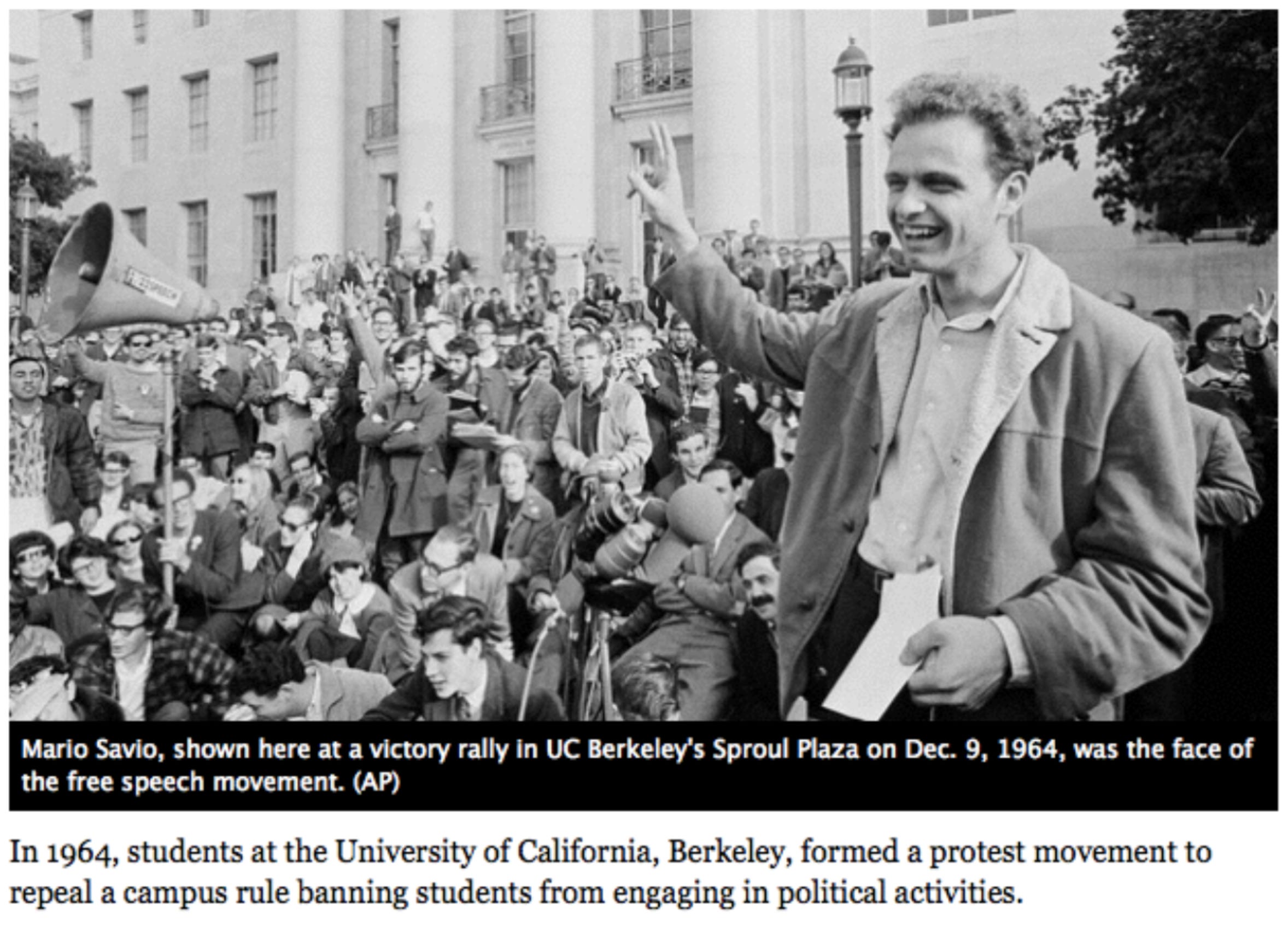
There’s a time when the operation of the machine becomes so odious—makes you so sick at heart—that you can’t take part. You can’t even passively take part. And you’ve got to put your bodies upon the gears and upon the wheels, upon the levers, upon all the apparatus, and you’ve got to make it stop. And you’ve got to indicate to the people who run it, to the people who own it that unless you’re free, the machine will be prevented from working at all.
-Mario Savio. UC Berkeley 1964
Have you ever wondered why, in the 1960s, it was San Francisco that was the centre of the anti-war student protest movement? Why was it in that city, rather than for example, New York, or elsewhere in the US? And have you ever wondered why almost all the giants of Big Tech are clustered around that same city today?
Because these two things are connected. And to understand the link between these two seemingly unconnected things, I think, helps make sense of our world today.
So why was San Francisco the home of the anti-war student movement in the 1960s?
There are several reasons. First, many of the US troops on their way to Vietnam had to leave and return through the port of San Francisco. Second, San Francisco was already home to many countercultural groups, Beat poets, a gay scene and a strong labour movement. While those two factors were important, the third reason, military development, was the most significant.
California universities such as Stanford, UC Berkeley, and others had close connections to the US Department of Defence. A connection that proved to be extremely lucrative. Stanford and the University of California soon became two of the leading universities for patents. New weapons such as guided missiles, high tech surveillance, the Arpanet (precursor to the internet), imaging technologies, and early AI were all being developed there. This caused tension however; students in these colleges responded with anger that their colleges who claimed to be acting in the public good were instead developing weapons of war. Mario Savio, who I quoted above, was one of the most prominent leaders of these student protests.
The many military contracts in and around these universities led to tech companies popping up all around the Bay Area. Among these were semi-conductor contractors, some of whom began using silicon. Silicon semi-conductors turned out to be extremely effective and extremely lucrative, and the area soon became known as Silicon Valley. Silicon chips were almost exclusively used for military applications at first, but they soon began to also supply commercial companies. The tech companies in and around the Bay Area would soon become some of the richest companies on earth. Whilst many people don’t know the military history behind Silicon Valley, investors and tech founders are extremely familar with it. And, understandably, they are very keen to replicate these successes.
And this is where Israel comes in. Israel is a very useful military ally for the US. Whilst there is some resistance in the US and western countries, the Israeli public are in overwhelmingly in favour of high military spending. Its traumatised and paranoid population, living on occupied lands surrounded by enemies, are easy to manipulate, and they willingly opt to spend much of their public money on researching and developing authoritarian surveillance technology and weapons. The Israeli state also has mandatory military service which means they can draw research, engineering and deployment skills from the entire population.
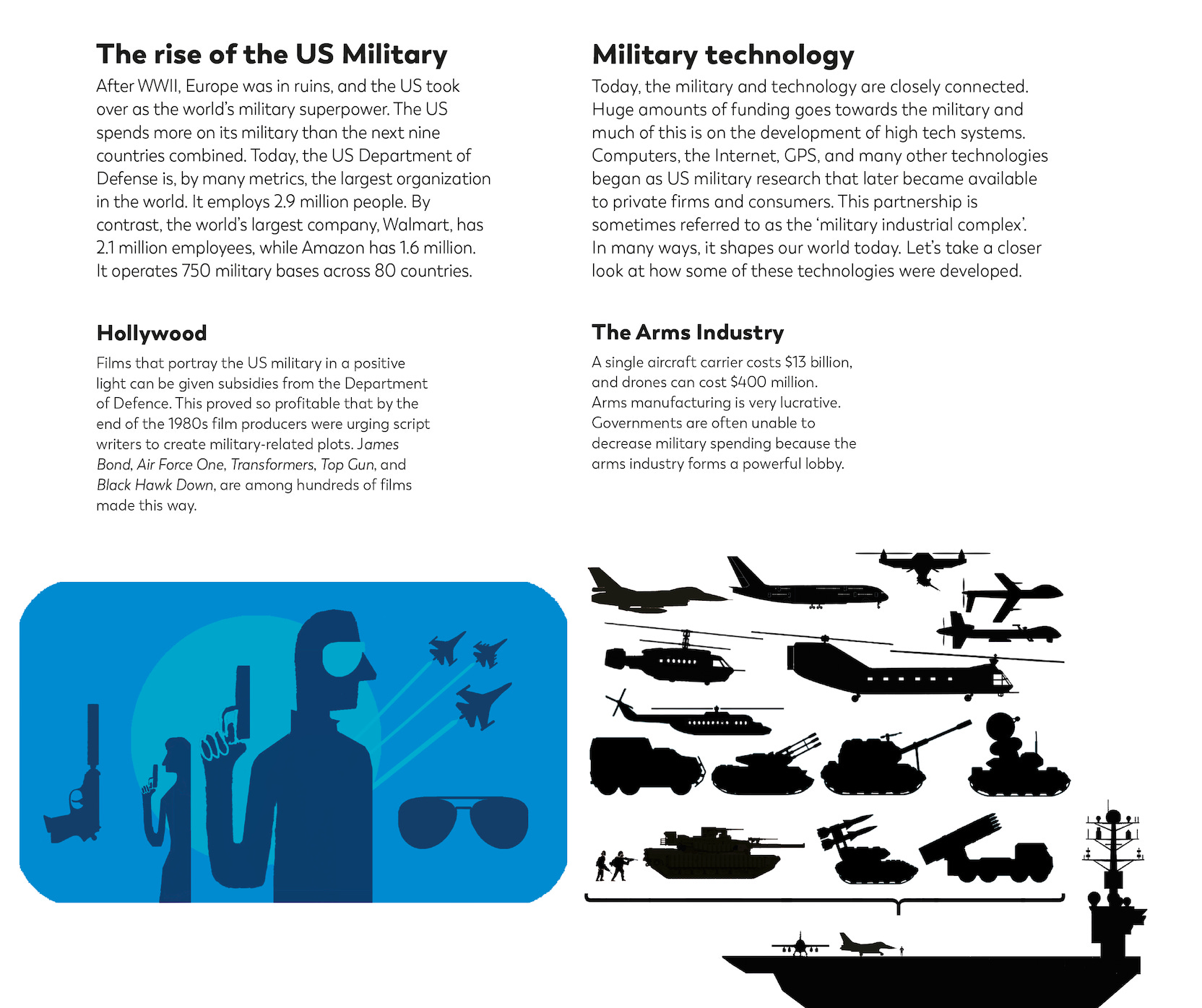
This goes some way to explain why all our governments and corporations are so hell-bent on protecting and supporting Israel. And why all the big tech companies have invested in or collaborated with Israel. Because Israel is the lynchpin of the military-industrial complex. The outsize power the the west wields over the world, rests on its military power. The West claims that it is the ‘free world’ but in fact in reality it is the very opposite. The US and its allies are the most heavily militarised states on the planet and they continuously threaten and overthrow any governments that do not comply with their interests. The US spends more on the military than the next nine countries combined.
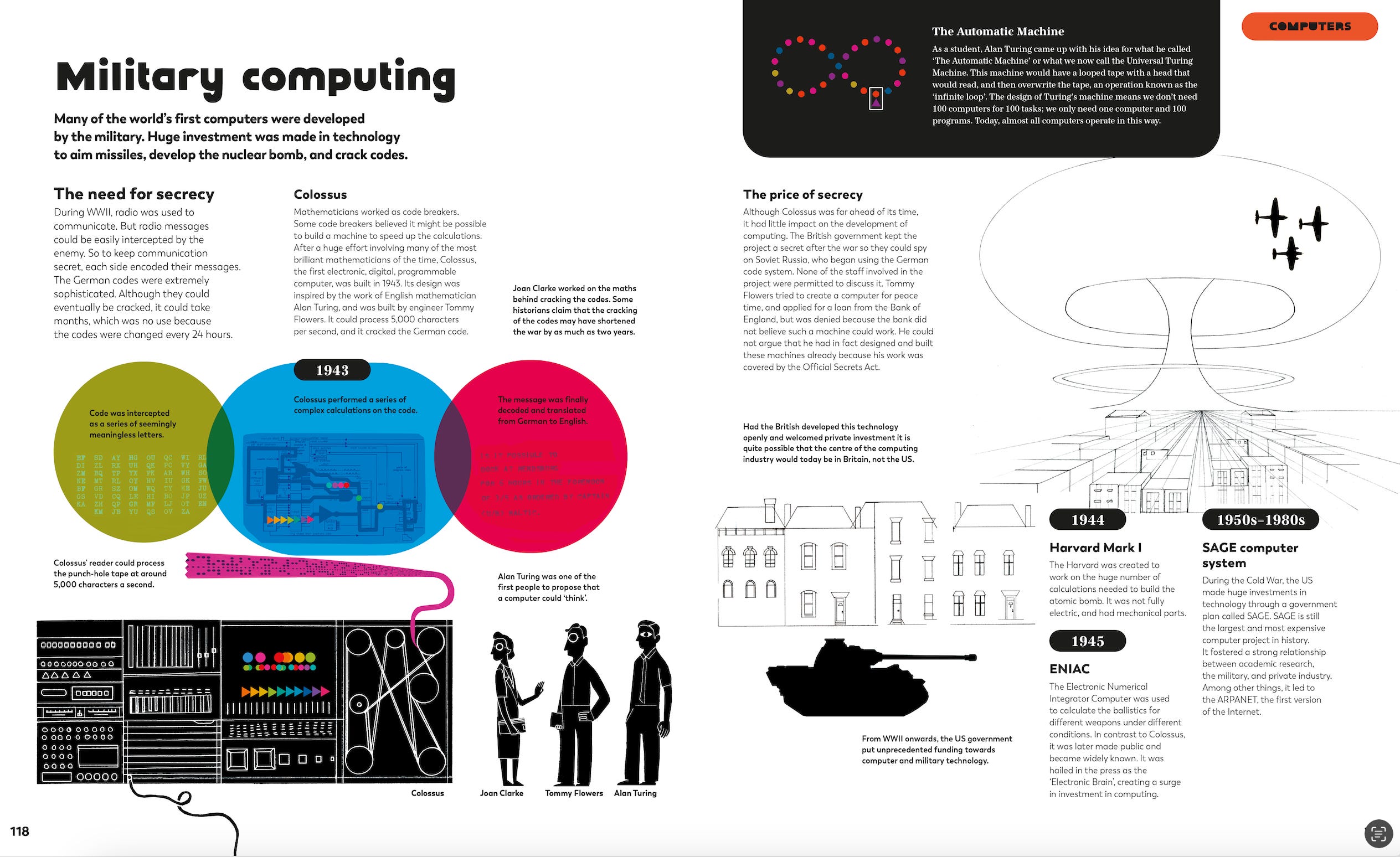
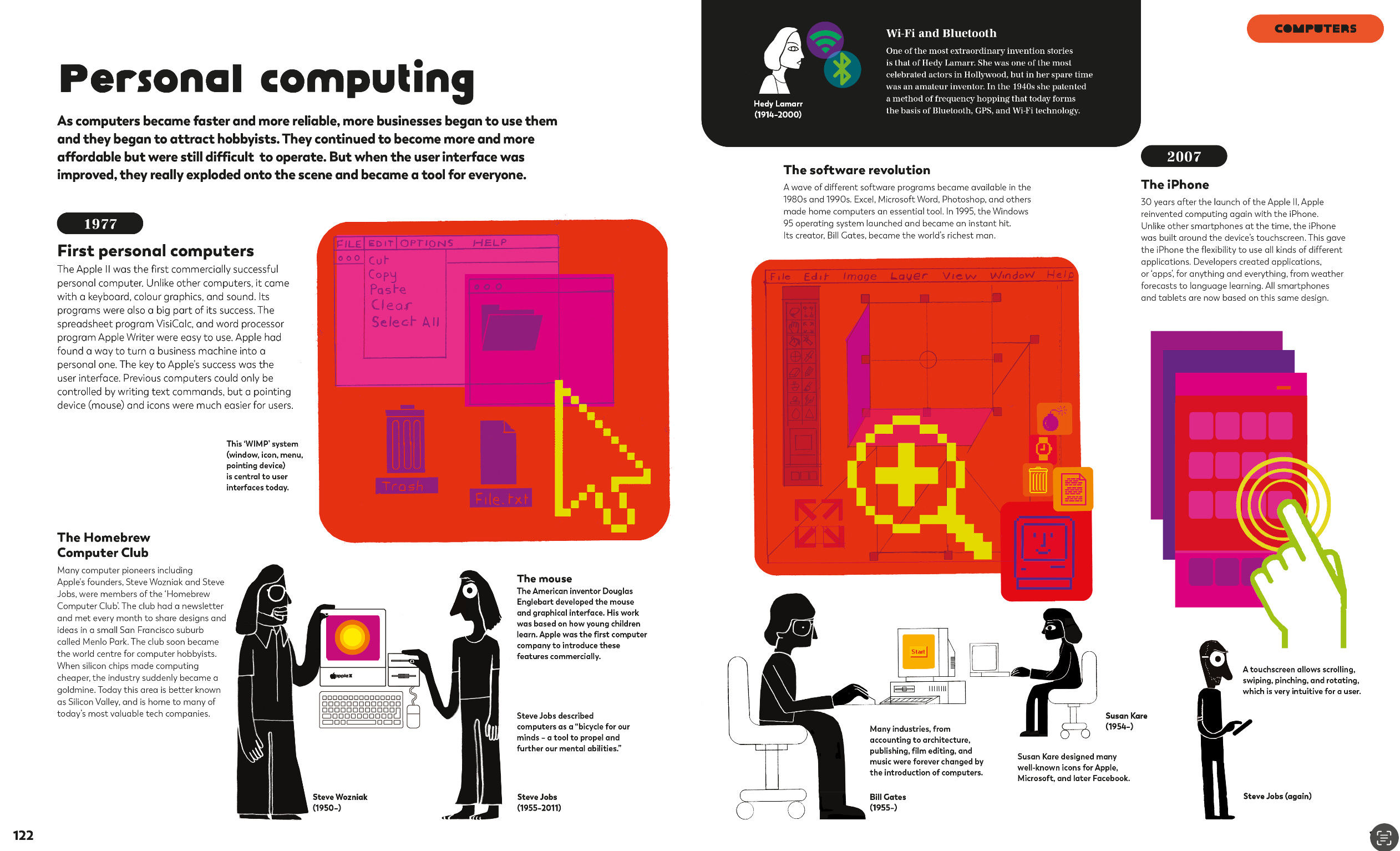
The reason I have been interested in this is because many years ago I had listened to a lecture series in UC Berkeley. It explained the history and origins of all our information technologies. Technologies like radio, computing, the internet, GPS, graphical user interfaces, artificial intelligence, and many more were all developed by, or at least funded by, the US military. The lecturers that wrote the course had both been working for decades in Silicone Valley within the tech world, they explained not just how these technologies worked but how their development impacted society,
Their course was so fascinating to me that I made a book about it. A project that has taken me 17 years to complete. I have been spending a lot of time reading about the military connections to big tech because I am convinced it is this what is mostly responsible for accelerating us further and further into Fascism. I think it is really important to understand what is happening because as far as I can see this is the only way we are going to be able to stop it. And my reading and writing around all of this then led me to activism.
Two weeks ago I signed up to do civil disobedience for Palestine and I was sent a document to read on the group chat. The document began with the quote above by Berkeley student protester Mario Savio. I recognised his name from the Berkeley course and it again reminded me of these same connections again. It really brought home to me how important these untold histories are to our present moment. So I am determined to continue these posts, I hope its useful to some of you out there. And if it is please share, especially with people you think could benefit from hearing it. And by that I mean with people that may support military action. I am currently writing a piece about Israel and AI. If you are interested in that or other posts you can follow for more.
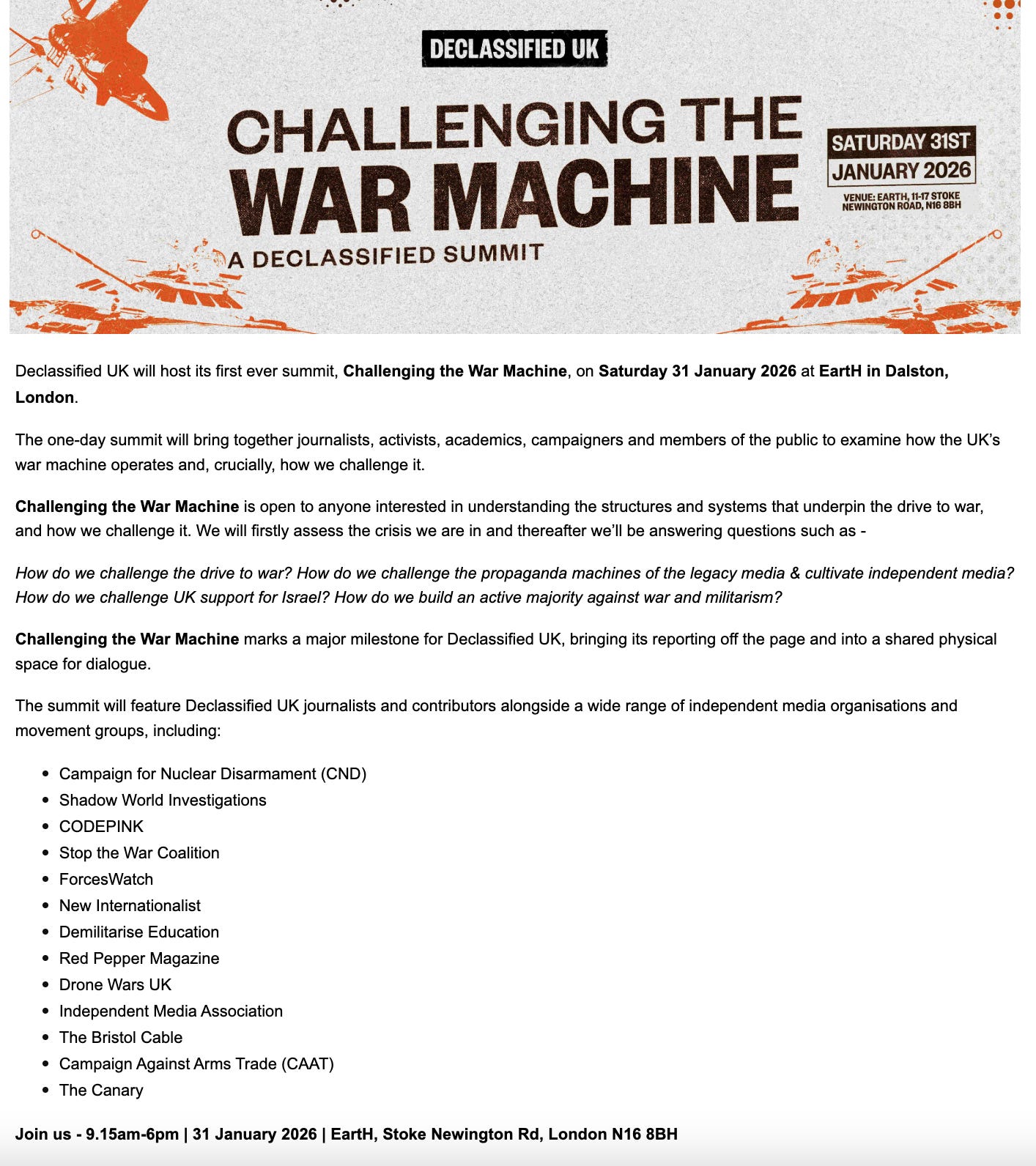
And for anyone interested in these topics, there is a conference in a couple of weeks in London. I’ll be going. Maybe see you there
Some of the info from this post came from my book, The History of Information, but much of it did not. A fair amount came from Palo Alto by Malcolm Harris which I highly recommend.
Some pages from my book:
It’s really helpful and very interesting to hear this history in such a clear and concise way, thanks Chris.
It's very useful, and I'll definitely share it. Thank you for writing this piece, and good luck with the civil disobedience action.